
Light Therapy Face-Off: RLT vs Cold Laser
If you already offer cold laser technology in your clinic, you might assume red light therapy is just more of the same.
It’s not.
And that misunderstanding might be putting your clinic at a disadvantage where it comes to time, results, and revenue.
In this post we’ll walk through how clinical grade RLT stacks up against cold laser therapy.
We won’t cover Class IV laser therapy or home-use devices here. Instead, this will focus on understanding the difference between LED red light therapy and low-level laser therapy as key to the cellular healing process and helping patients achieve optimal outcomes, as effectively as possible.
Understanding the Difference Between LED Red Light Therapy and Low-Level Laser Therapy
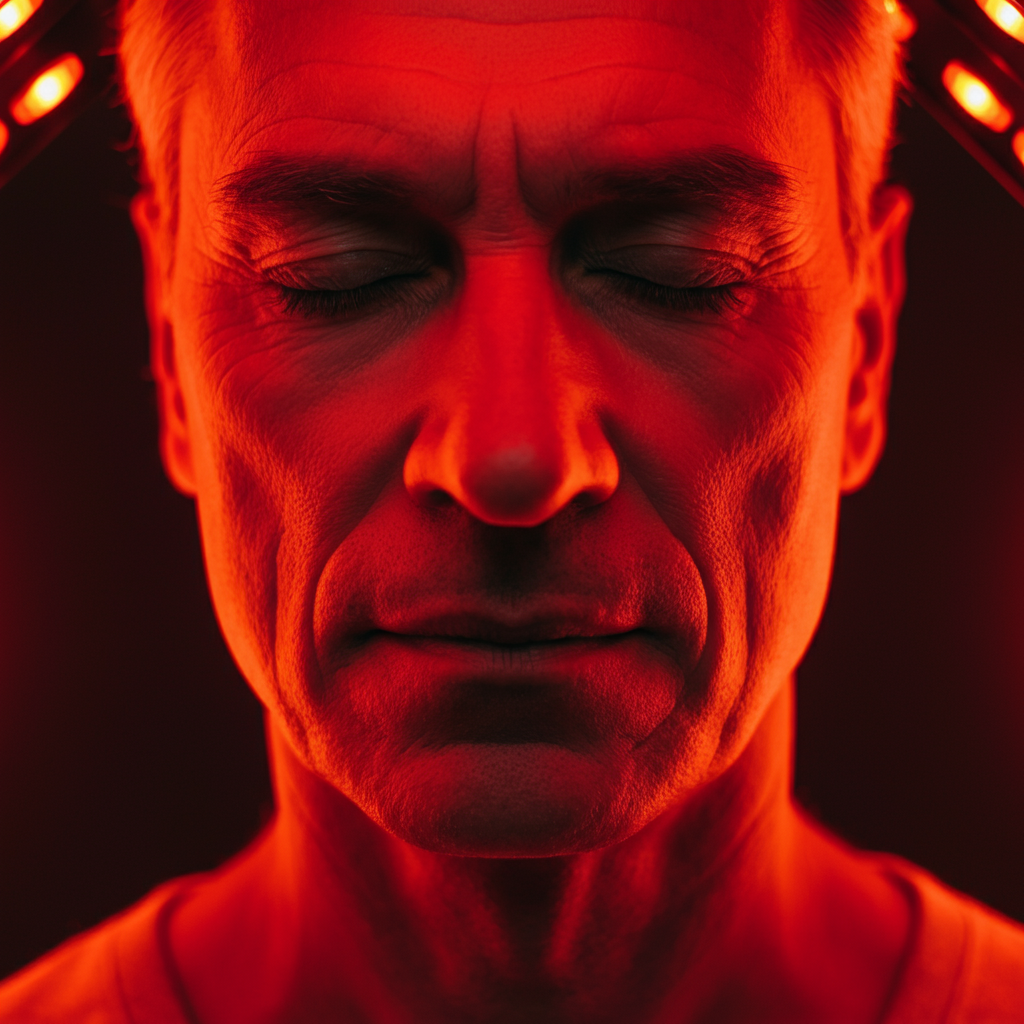
Red Light Therapy (RLT) uses non-coherent LED bulbs, also known as light-emitting diodes, typically in the 600–850 nm range. Most effectively delivered through full-body beds, RLT emits broad, gentle, uniform beams over wide areas. It’s designed for systemic photobiomodulation, stimulating regenerative cellular processes like ATP production, improved circulation, and reduced oxidative stress.
Some advanced systems now incorporate multiple wavelengths and pulsing protocols to help deliver photons deeper into the tissues. However, these features are not standard in most panels or full body beds.
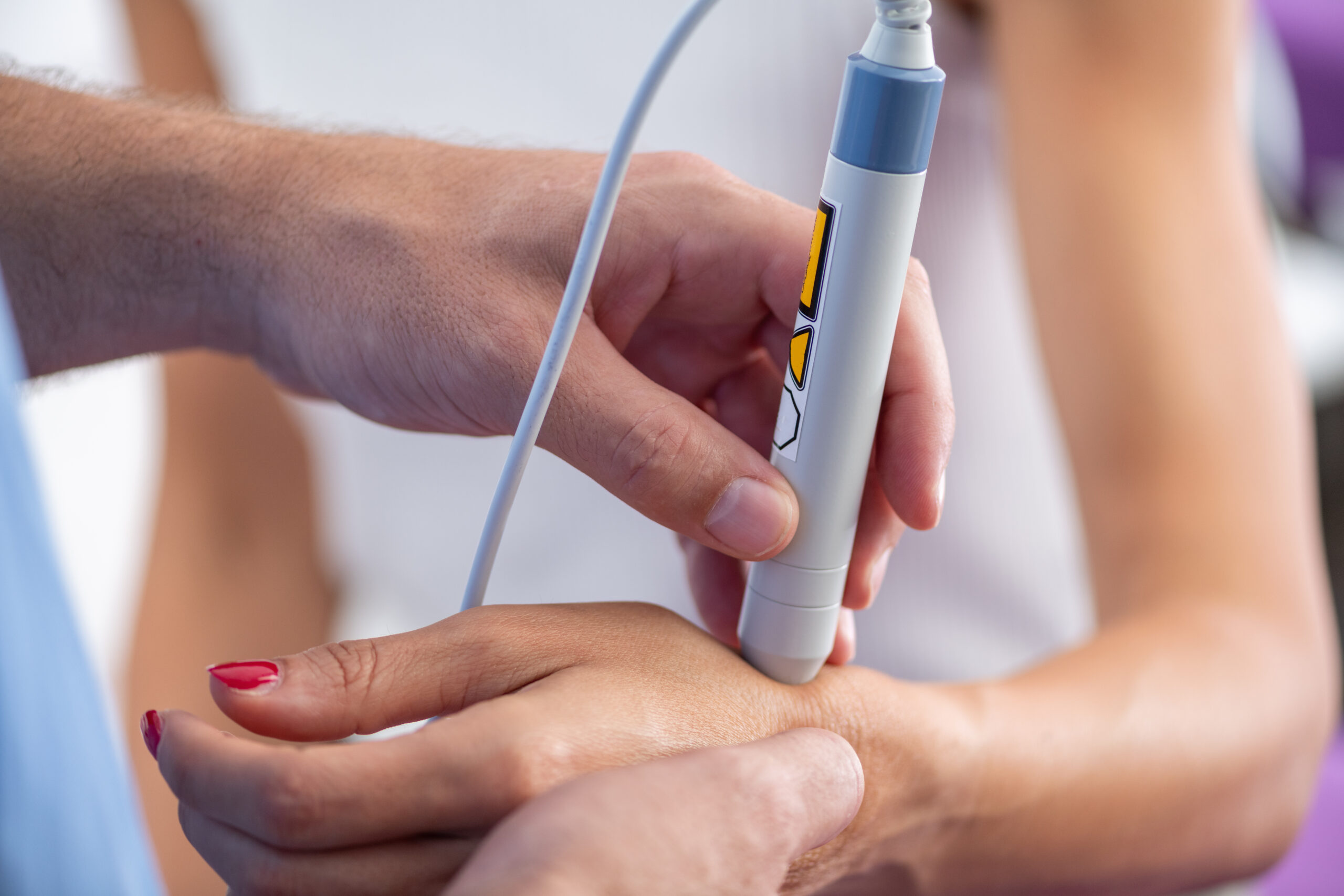
Cold Laser Therapy (LLLT), by contrast, uses coherent, focused beams of light usualy in the 650-830 nm range to target small, localized areas of the body. It’s known as “cold” because it doesn’t heat tissue, despite its intensity. The beam remains tightly collimated, enabling deep, precise application into joints or tendons.
While both RLT and cold laser therapy trigger photobiomodulation, they differ in how and where that light is delivered. RLT supports broad, full-body recovery and wellness, while cold laser focuses on targeted, deep-tissue intervention.
Depth, Coverage and Tissue Penetration
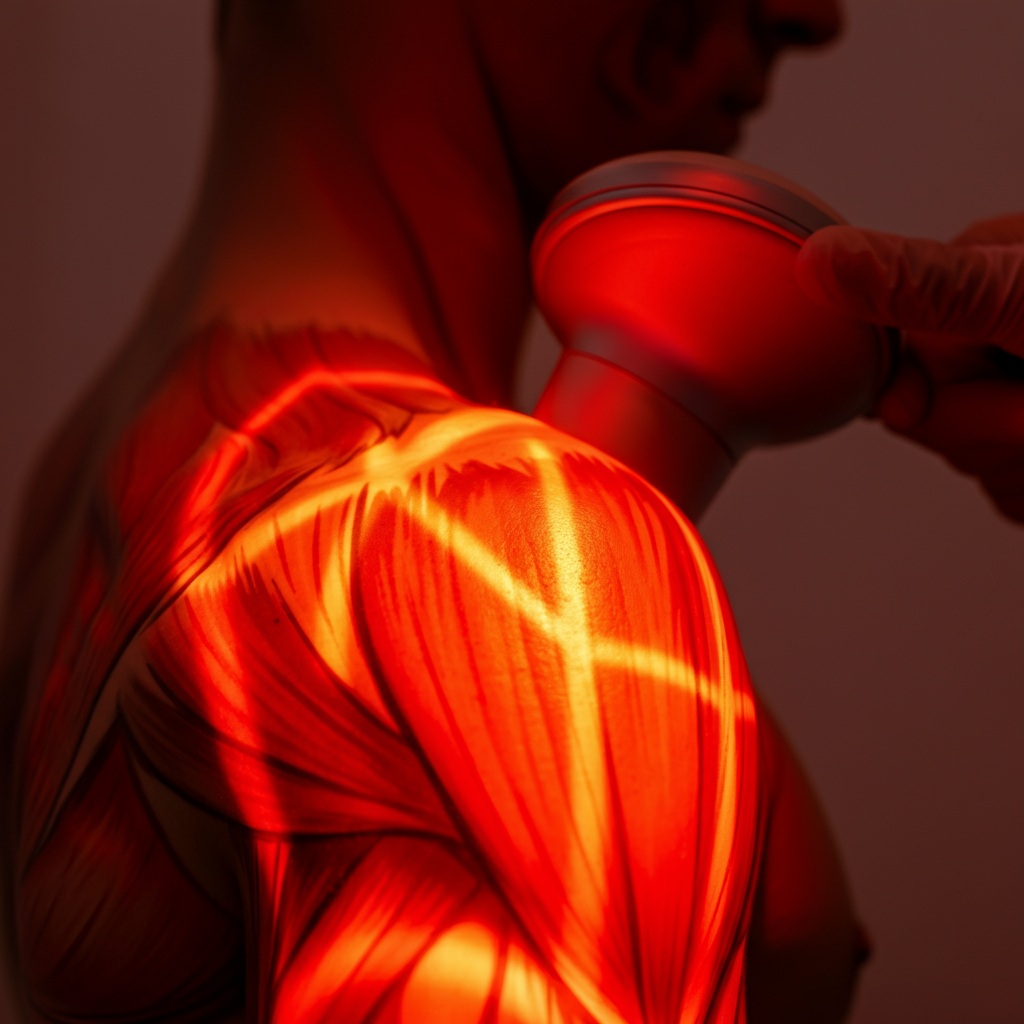
RLT devices – particularly clinic-grade full-body RLT beds – provide widespread, uniform exposure across large tissue areas. This makes them ideal for systemic inflammation reduction, musculoskeletal conditions, wound healing, and the ability to treat multiple issues in one session.
Cold lasers, on the other hand, penetrate up to 5–6 cm into soft tissue. Their precise application is ideal for localized therapy, particularly in joints, tendons, and trigger points. However, treatment is usually manual and limited to one area at a time.
In short: Cold laser offers depth. RLT offers breadth. They’re not redundant, they’re complementary. Technologically advanced RLT systems that include pulsing, multi-wavelengths, and even green light can expand your clinic’s ability to address a range of conditions – from surface-level healing to deeper, more complex systemic concerns.
Safety, Training & Workflow
LED-based red light therapy devices are user-friendly, require minimal training, and pose minimal safety risk. Sessions are hands-off, and can be pre-loaded before the patient enters the room from the practitioner’s app, allowing therapists to serve multiple patients concurrently. The device can be easily managed by non-clinical team members (requiring only a wipe down disinfection between patients), making RLT far easier to integrate into a busy practice and scalable without adding operational complexity or legal overhead.
Cold Lasers, by contrast, aren’t plug-and-play. They require specialized training, clinician oversight, laser safety knowledge, and a clear understanding of dosage protocols to be used both effectively and safely. While they can deliver remarkable results, they require more intensive staff involvement, training, and in some instances may require certification..
Clinicians must assess:
- The correct wavelength and power output for the condition
- Tissue depth and target area
- Session duration and treatment intervals
- Contraindications or risk factors unique to laser therapy
Because cold lasers emit coherent, collimated beams, even low-powered Class 3B devices require strict safety protocols such as protective eyewear, controlled treatment zones, and often, clinician-only operation. In many regions, only licensed professionals can legally administer laser treatments, especially those involving Class 3B or Class IV lasers.
For small clinics with limited staff, this difference matters. Cold lasers require time, extensive training and oversight. RLT offers simplicity, scalability, and team-wide usability without compromising clinical outcomes.
Cost & ROI Considerations
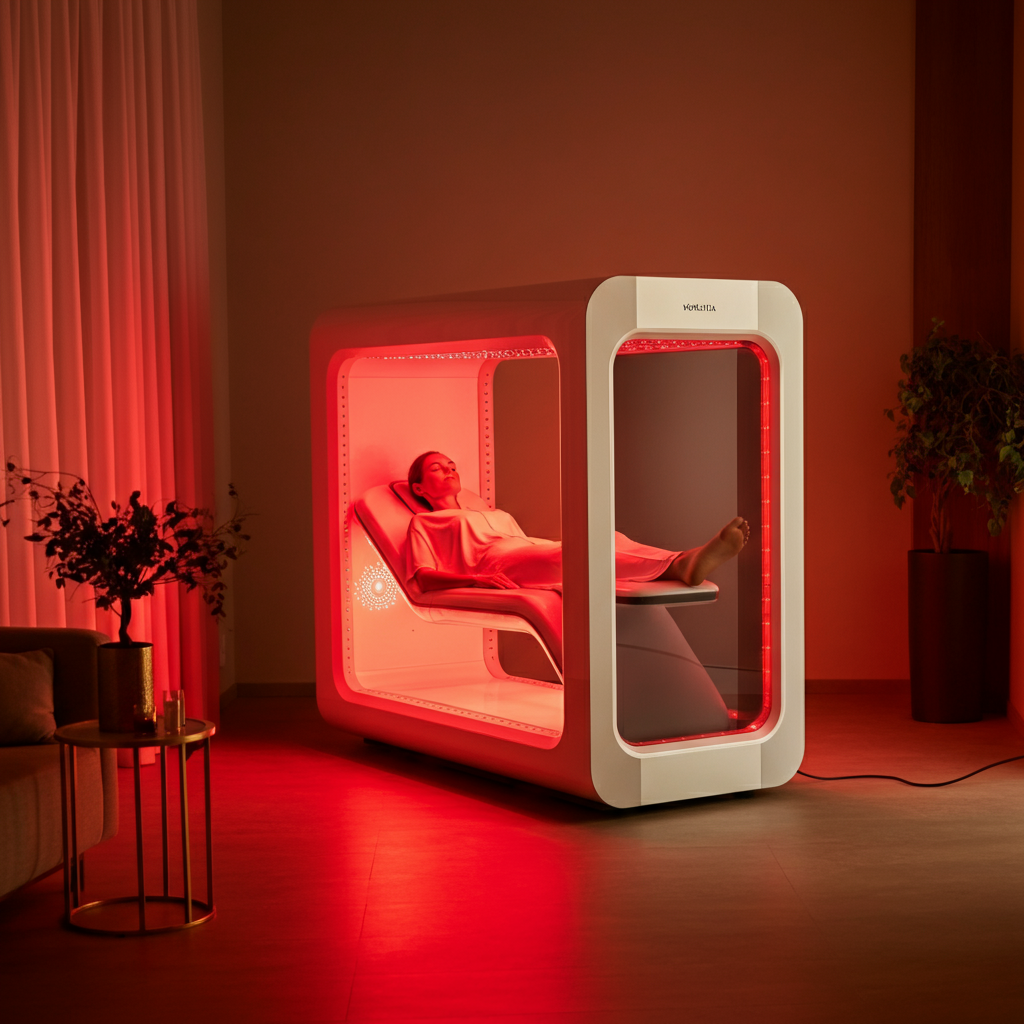
Clinic-grade RLT beds do come with a higher upfront cost, but the return is in how efficiently it supports multiple treatment areas and multiple patient needs at once. You’re not just treating what’s urgent – you’re also addressing issues patients didn’t expect to get help with: hair loss, fatigue, poor sleep, even skin regeneration and diabetes. It’s a tool that adds visible, felt value without requiring extra staff.
That also makes it ideal for subscription wellness models and inflammation-reduction protocols. It’s scalable, repeatable, and easy to position as a premium add-on or retention driver.
Cold laser devices, meanwhile, are often sitting in clinics underutilized. Not because they don’t work, but because teams don’t have a plug-and-play protocol, or the time to train and delegate it. If you’re not using your cold laser 10+ times a week, it’s not paying for itself and it’s likely not integrated into your care plans.
Adding RLT doesn’t replace cold laser. It helps you get ROI from both. Cold laser remains your go-to for localized treatment. But RLT gives you a tool with more impact, driving recurring revenue, freeing up your team, and improving patient satisfaction in ways that LLLT can’t.
Key Takeaways for Wellness Practitioners
- They’re not interchangeable: RLT and cold laser offer different benefits based on depth, area, and therapeutic goals, with research indicating that LED light therapy matches or exceeds cold laser outcomes in many instances.
- Maximize existing tools: Make better use of cold laser devices for targeted therapy while adding RLT for systemic wellness.
- Build complementary protocols: Combine both technologies to support short-term recovery and long-term health optimization.
Use RLT When You Need To:
- Improve overall cellular wellness and recovery
- Support systemic inflammation reduction
- Treat multiple concerns in a single session
- Increase throughput without adding staff time
Use Cold Laser When You Need To:
- Treat a small, deep tissue injury (like tendinopathy)
- Focus on a single treatment area per session
- Deliver tight, targeted doses with clinical oversight
RLT vs Cold Laser Therapy: Clinical Comparison Chart
| Feature | Red Light Therapy (RLT – LED) | Cold Laser Therapy (LLLT – Low-Level Laser) |
| Light Source | Non-coherent LED (red/near-infrared) | Coherent, focused laser (low-power) |
| Treatment Area | Broad coverage (full-body beds) | Pinpoint application (spot-focused) |
| Clinical Use | Cellular health, circulation, inflammation modulation, general wellness | Musculoskeletal injuries, joint pain, tendon healing |
| Setup & Use | Hands-free, minimal training required | Clinician-guided, training and safety protocols needed |
| Session Duration | 10–20 minutes for full-body exposure | 3–10 minutes per treatment area |
| Eye Protection Required | Optional typically required | Required (laser hazard classification) |
| Risk Profile | Low risk, non-invasive, pre-programmed | Safe with training; risk of misuse and injury if untrained |
| Workflow Efficiency | High. Can treat multiple patients or large areas simultaneously | Moderate. One-on-one treatment focused on specific areas |
| Cost of Equipment | Moderate to High (clinic-grade beds) | Moderate. Varies by class and brand |
| Training Required | Minimal. Great for team-wide protocol integration | Professional training required (Class 3B or IV laser devices) |
| Ideal Patient Application | Sports medicine, injury recovery, inflammation reduction, post-surgical recovery, clients seeking greater wellness, wound healing, joint stiffness, collagen production, skin rejuvenation, blood flow, chronic pain relief, tissue repair, musculoskeletal issues | Injury rehab, chronic pain relief, orthopedic support |
| Complementary Use | Yes. Excellent alongside laser for full recovery effect | Yes. Ideal for targeting specific pathologies after RLT session |
Don’t Let This Misunderstanding Limit Your Clinic’s Potential
Many small clinics we speak with have invested in low-level laser therapy devices – then left them unused, or underused, because the team never fully integrated them into care plans. Others avoid red light therapy altogether, assuming it overlaps.
However, these devices address different problems. Low-level laser therapy continues to be valuable for pinpointed, therapeutic applications. But for clinics seeking to offer broader, more efficient, and more profitable solutions, full-body red light therapy systems offer a compelling advantage.
By treating multiple systems simultaneously, reducing staff time, and delivering results patients can see and feel, RLT can transform the way your clinic delivers care.
Get the Facts Before Investing in the Wrong Tech
Weighing the pros and cons of light therapy isn’t a casual decision – especially when it impacts patient trust, clinical outcomes and long-term revenue. If you’re seriously evaluating the clinical and business case for adding full-body red light therapy bed, we can help.
Sign up to receive our emails to get breakdowns of vetted clinical-grade devices, advanced features to look for that deliver results across a wide range of patients, treatment protocol ideas, and effective marketing tips that don’t rely on paid ads.
Knowledge is Your Secret Weapon – Keep up with clinical RLT
Become a VIP in a growing network of forward-thinking clinics expanding their treatment offerings with red light therapy. Subscribe for insights on smart implementation, patient education, and low-effort marketing strategies that actually work. Join today!
FAQs About RLT vs LLLT
What’s the difference between red LED light therapy and cold laser therapy? Cold laser delivers coherent, focused light to reach deeper tissues and target specific issues. LED red light (RLT) uses non-coherent, broad-spectrum light for surface-level tissue stimulation. However, some technologically advanced RLT beds incorporate pulsing frequencies and other wavelengths (such as green) to deepen the range of efficacy.
Do advanced red light therapy beds use special bulbs? Yes. Unlike standard off-the-shelf red bulbs, advanced systems use specialized, medical-grade LED modules. These are built for durability, precise and consistent dosing, and in some cases can add other wavelengths (like green light) to enhance therapeutic performance.
Can both modalities be used together in a clinic? Absolutely. RLT and cold laser serve different clinical purposes and can be combined to enhance patient outcomes, streamline treatment, and increase clinic revenue potential.
Is red light therapy just a “weaker” version of laser therapy? No, and assuming so can lead to missed clinical opportunities. While RLT uses LEDs rather than lasers, research shows that with optimized wavelengths and dosage, RLT can match or even exceed cold laser in some clinical outcomes, especially for inflammation reduction, surgical recovery, and chronic pain. There’s also emerging evidence that full-body RLT may support more complex or treatment-resistant conditions, including those not traditionally associated with light-based therapy—such as metabolic dysfunction and diabetic symptoms.
Can I use RLT and cold laser on the same patient? Yes, and many clinics do. Use RLT for full-body or system-level support (fatigue, post-surgical recovery, overall inflammation), and cold laser for localized therapy (e.g., one knee, shoulder, or tendon). They complement each other, not compete.
What kind of training or certification is required for RLT? Many clinic-grade RLT systems require minimal training and don’t involve the same safety protocols as lasers. Many devices are pre-programmed and app-controlled, making them easy to delegate to your team.
Will patients pay extra for RLT sessions? Yes, especially when you position it as part of a wellness plan or subscription model. Patients love feeling like they’re getting whole-body support. It’s non-invasive, quick, and leaves them feeling better fast. That’s easy to upsell or bundle.
Is there research showing RLT actually works? Absolutely. Over 8,000 peer-reviewed studies support light-based therapy, including red LED and infrared wavelengths. A landmark paper by Dr. Michael Hamblin (Harvard Medical School, 2018) concluded that both laser and LED light can effectively trigger photobiomodulation in the body—with different strengths depending on the treatment area and goal.