Unlocking the Benefits of Green Light Therapy to Elevate Holistic Patient Care
You already know red light therapy has earned its place in the wellness spotlight. But there’s a new wavelength gaining ground that deserves attention. The benefits of green light therapy are rapidly emerging as valuable additions to the suite of treatments offered by medical clinics, chiropractic offices, naturopathic practices, med spas, and acupuncture centers.
Green light offers measurable results in areas red light can’t always reach. And the good news is that you don’t need a separate tool when you choose an advanced red light therapy device that already includes it as a chromophore.
Since you’re committed to staying at the forefront of holistic care, it’s time to take a closer look at how green LED lights support healing, improve wellness and patient outcomes in a uniquely integrative way.
Understanding Green Light Therapy: Scientific Mechanisms, Health Benefits, and How It Works
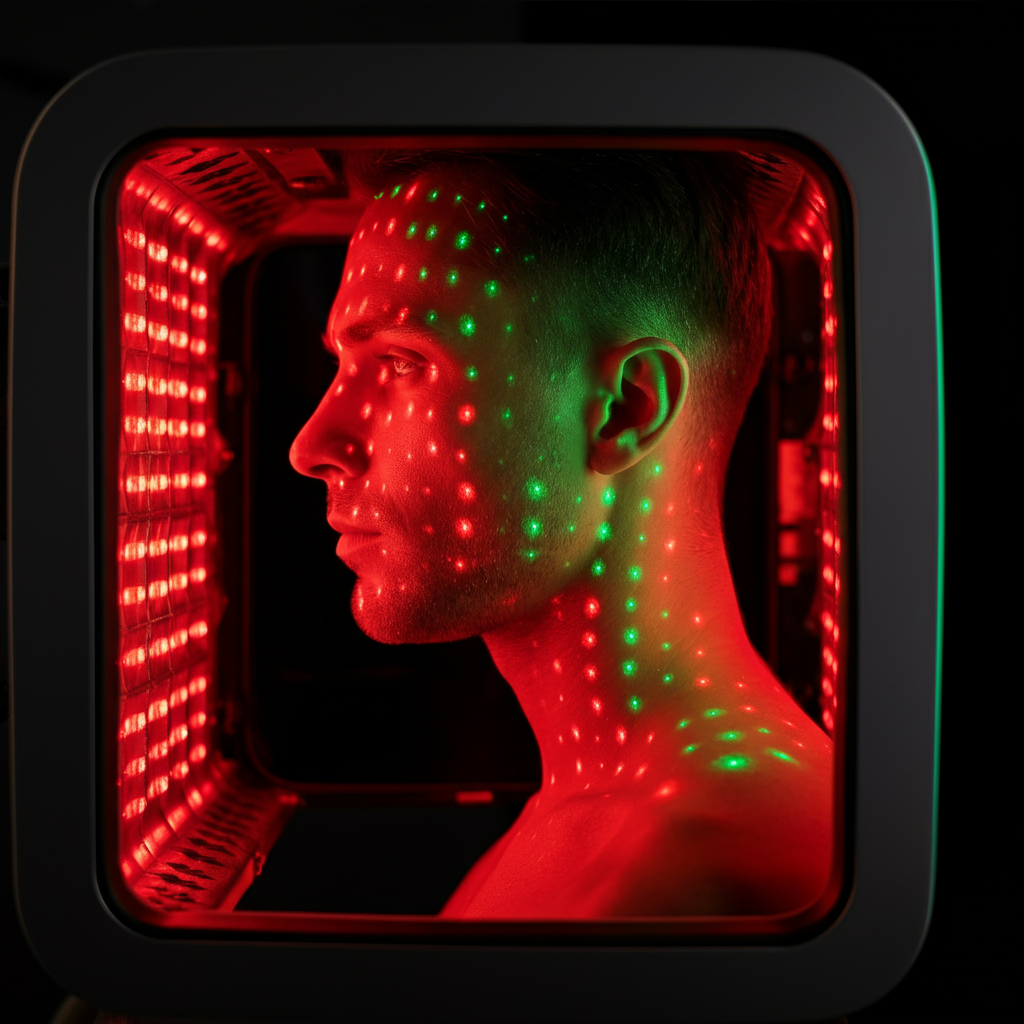
At the cellular level, LED light interacts with photoreceptors in the skin and deeper tissues, triggering responses that promote healing and wellness.
Each wavelength of light serves a specific purpose, and green light, typically ranging from 490 to 570 nm, is particularly effective.
Contrasting Different Light Therapies
Each LED light wavelength offers unique therapeutic benefits based on its depth of penetration into the body.
Red light reaches deep tissues to reduce inflammation and support healing, while near-infrared light penetrates even deeper, making it ideal for joint inflammation and nerve regeneration.
Blue light stays closer to the surface and is effective for acne treatment by targeting bacteria.
Green light, which operates at a mid-level depth, has a calming effect on the nervous system and can be particularly beneficial in reducing stress and treating stress-related disorders like anxiety. Yet it also works to address surface-level skin concerns, such as pigmentation and tone.
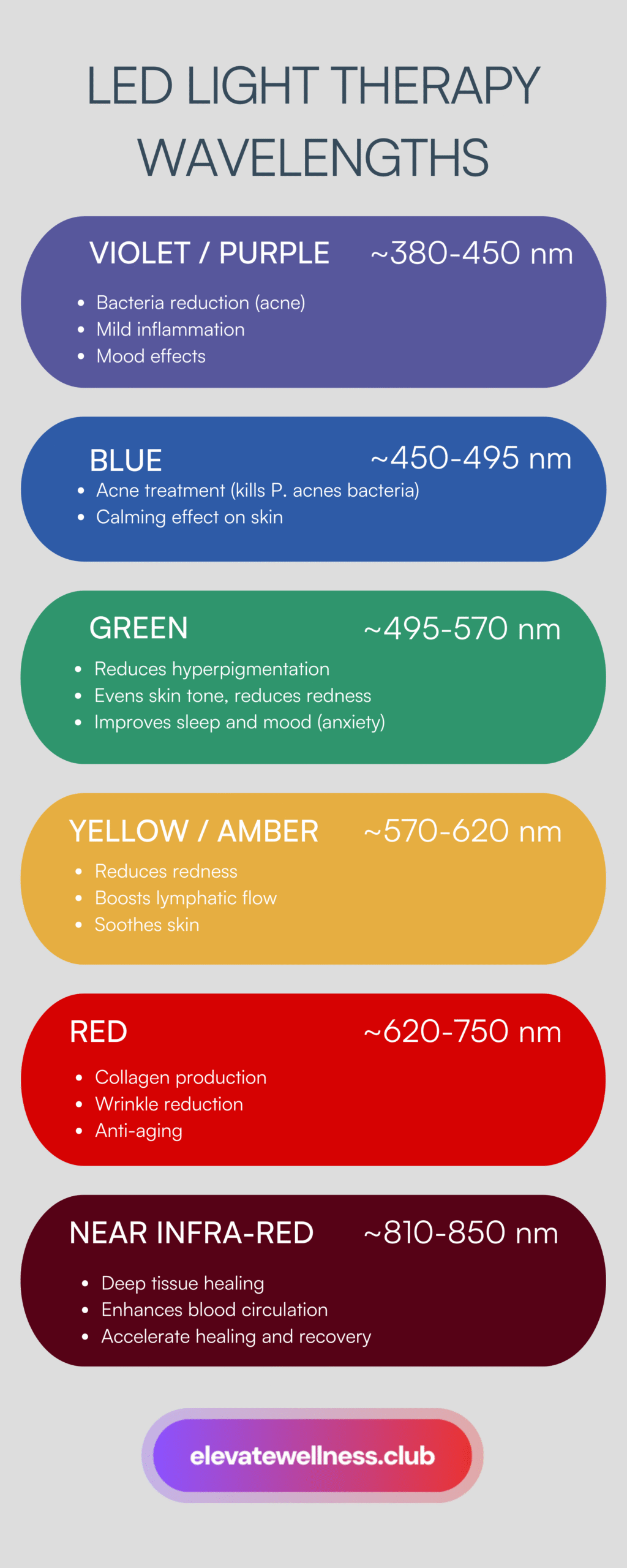
While each light therapy has its strengths, green LED light therapy stands out for its unique ability to support both physical and emotional wellness. From calming inflamed skin to regulating sleep, its benefits reach far beyond surface-level concerns.
Comprehensive List Of Benefits Of Green Light Therapy For Patients Seeking Holistic Care
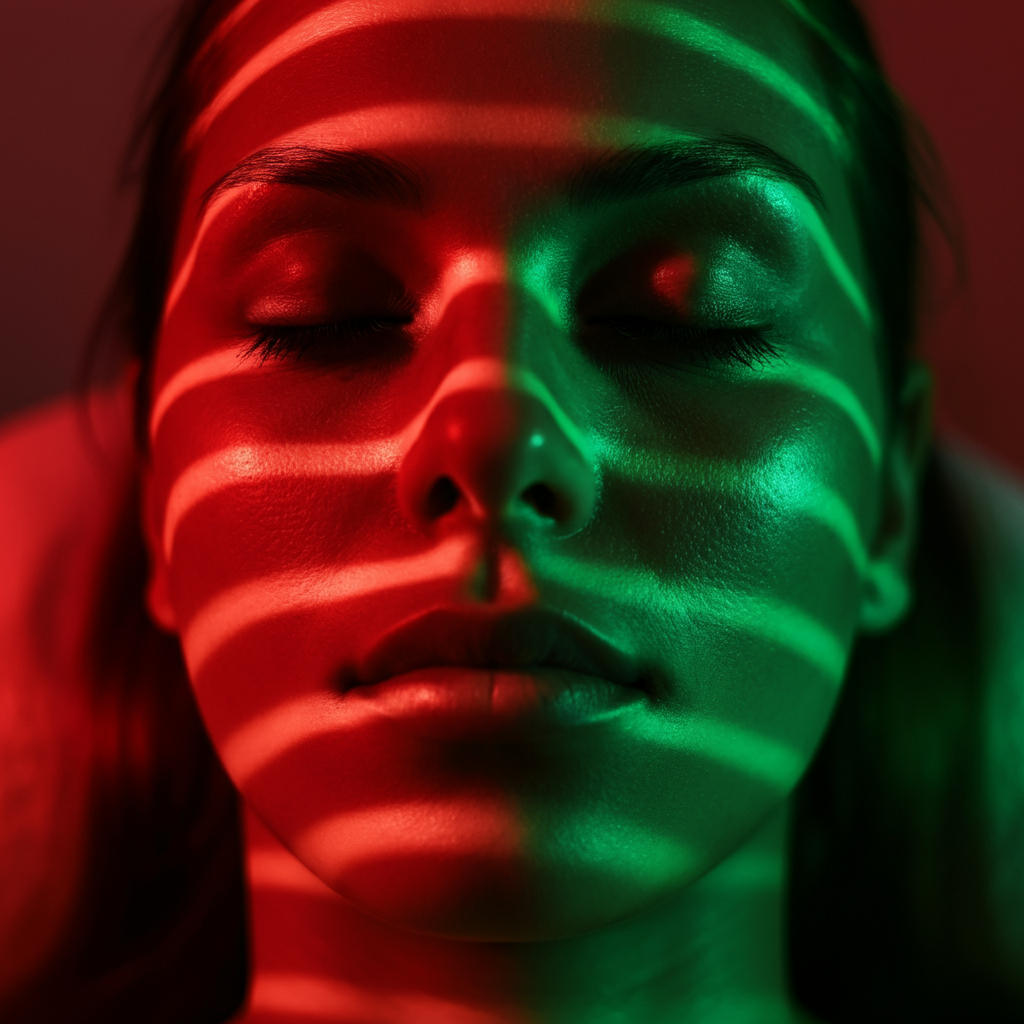
Green light therapy offers a range of evidence-based benefits that align with holistic patient care. As a gentle and effective therapy, it has a multi-system impact making it a valuable addition to comprehensive treatment plans.
Brain Activity and Mood
On a neurological level, green light has been shown to modulate brain activity associated with pain and mood. By helping patients understand how it can ease anxiety and support a more balanced mood, you elevate their trust in your care, and they’ll feel the deeper value of your care.
Skin Health Improvements
Another standout application of green light therapy is its positive impact on skin health. Clinical studies have shown that it can effectively reduce hyperpigmentation and inflammation, making it beneficial for individuals with conditions like eczema or rosacea. This therapy stimulates collagen production, which helps combat the signs of aging and enhances skin elasticity. Many patients report noticeable improvements in skin clarity and texture, providing an appealing solution for your clientele.
Migraine and Pain Relief
Pain management is a primary concern for numerous patients. Green light therapy has been shown to help alleviate chronic pain conditions, including fibromyalgia and migraine attacks. Research indicates that its anti-inflammatory effects can help modulate pain pathways, resulting in reduced discomfort. Offering this therapy can empower your patients to manage their pain more effectively without relying solely on pharmaceuticals.
Melatonin Regulation and Sleep Enhancement
Another intriguing aspect of green light therapy is its influence on melatonin production. A significant number of people struggle with sleep disorders, and green light therapy can play a crucial role in improving sleep quality. By regulating circadian rhythms and enhancing melatonin production, it helps patients achieve a natural sleep cycle. For those dealing with insomnia or disrupted sleep patterns, green light therapy can be a stress-less answer to a more restful sleep.
Mood and Anxiety Reduction
Stress and anxiety affect many individuals, and green light therapy can assist in moderating these conditions. Research suggests that exposure to this wavelength can positively influence brain activity related to mood, providing relief for those dealing with anxiety and depression. By integrating this into your therapeutic offerings, you help create a supportive environment for patient mental health.
Eye Strain Alleviation
With our faces in digital screens every day, eye strain is increasingly common. Green light therapy offers relief from eye strain that is often caused by prolonged screen time. The calming properties of green light can help soothe the eyes and reduce discomfort, making it an attractive addition to services aimed at tech-savvy patients.
Marketing Green Light Therapy In Your Wellness Practice
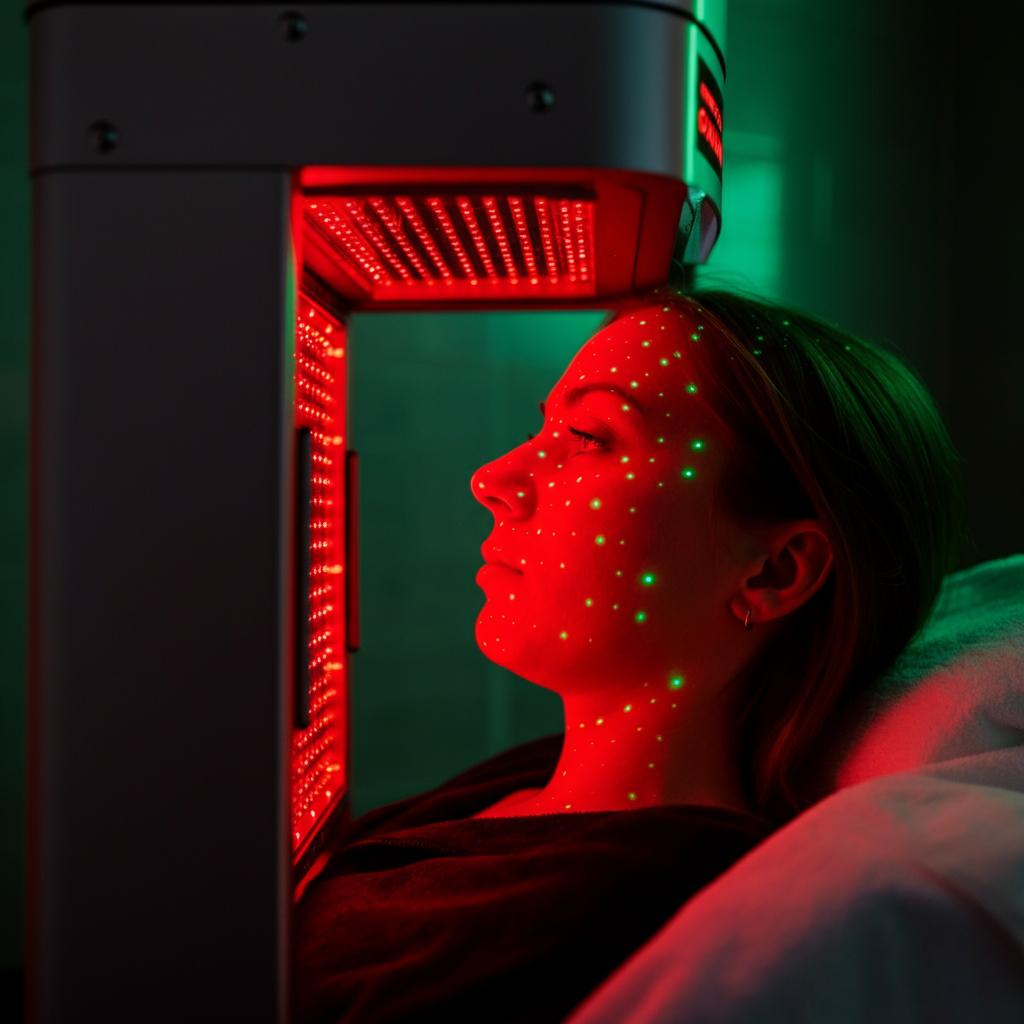
Successfully promoting green light therapy in your clinic is as simple as offering it to your current patient base as an adjunct therapy. However, it may require educating patients, addressing their skepticism, and creating unique selling propositions that enhance their current treatments. Here’s how you can market green light therapy effectively while engaging your target audience.
Focus on Patient Education
Start by educating current patients about the benefits of LED therapy is and what it entails. Use informative brochures or digital content on your website or social media to explain how this therapy works, what conditions it can treat, and why it might be right for them. Consider hosting evening informational sessions in your practice where you discuss the latest research, share success stories from other patients, and offer packaged incentives.
If your clinic is using a comprehensive device such as a full-body red light therapy bed that offers a green chromophore in addition to red and near-infrared light, the compounding benefit of green light makes a compelling reason for patients to try it.
Overcoming Skepticism
It’s normal for patients to be skeptical about new technologies and therapies. Use this skepticism to your advantage by presenting credible scientific studies and testimonials from patients who have experienced positive improvements. Address common concerns directly, such as potential side effects and treatment efficacy. Patients respect honesty. When you hold nothing back, you reinforce their trust in your care.
Create Unique Selling Propositions
Highlight how green light therapy complements your existing services. For instance, if you offer a full-body red light therapy chamber, explain how the combination of 3 chromophores (red, near-infrared and green) can be combined to provide comprehensive benefits.
Emphasize that this therapy requires a minimal time commitment, making it an easy add-on for patient treatments. Make sure your marketing messages convey how this therapy can take their recovery and overall wellness to the next level.
Digital Marketing Strategies
Remember that a solid online presence is crucial and expected by patients. Use SEO strategies on your website to target keywords such as “green light therapy” or “light therapy benefits.” This will help attract patients searching for these treatments. Optimize your website’s content to make it informative and engaging, ensuring potential clients can easily find the information they need.
Social Media Outreach
Utilize social media platforms to promote green light therapy by sharing insights, patient testimonials, and educational content. You can create engaging posts that visually demonstrate treatment processes or before-and-after results. Consider running targeted ad campaigns to reach specific demographics interested in wellness solutions, pain management, or skincare.
Local Search
Don’t neglect local search results. Posting regular content to your Google Business Profile signals to the search engine that you are actively helping your audience. Addressing common patient questions can help you rank higher in search results and capitalize on people actively searching for a solution in your area.
Articulating Benefits Tied to Patient Outcomes
When discussing green light therapy, focus on benefits that matter most to your patients. Highlight specific outcomes such as:
- Improved skin health: Present data showing how it can reduce conditions like eczema and acne.
- Reduced pain: Share studies highlighting its effectiveness for chronic pain relief.
- Improved quality of sleep: Explain its ability to regulate circadian rhythms.
- Reduced anxiety: Promote its calming effects on the nervous system and benefits for mental well-being.
By connecting therapy benefits directly to patient needs, you enhance their understanding and receptiveness to trying out green light therapy.
Ultimately, marketing green light therapy effectively involves clear communication, educational efforts, and targeted strategies. By addressing potential concerns and highlighting relevant benefits, you can position your practice as the go-to resource for advanced wellness options, thereby driving both interest and engagement from your clientele.
Choosing a Green Light Therapy Device and Technology for Professional Use
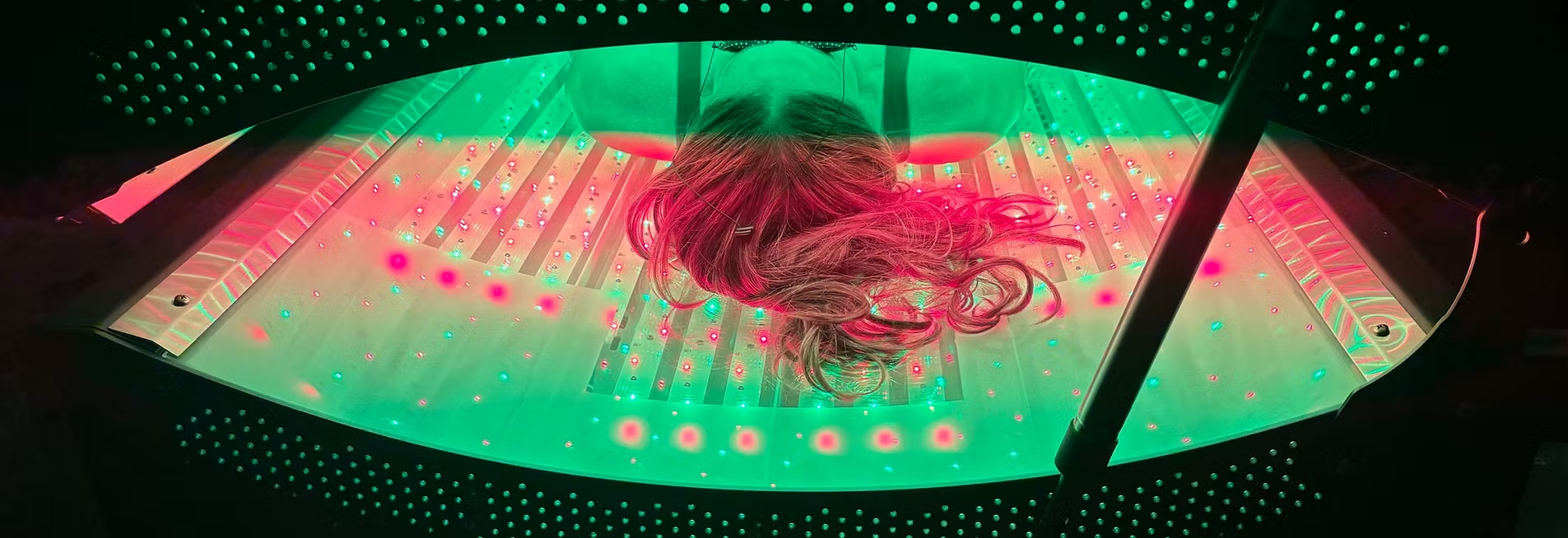
When it comes to offering green light therapy in your practice, it can be as easy as choosing an advanced red light therapy bed. Sounds counterintuitive? Let’s explain.
With various light therapy options available on the market, it makes sense to invest in one that gives you the most bang for your buck. Choosing a device that does only one thing or targets a small area is not an efficient clinical investment.
In-clinic full-body chambers effectively treat multiple issues at once. Look for features like multiple chromophores and a pulse frequency capability of 400,000 hertz. These systems should also allow for customizable settings or cleansing protocols tailored to specific client needs.
Key Features to Consider
When choosing a device, pay attention to specific features that ensure effective and safe treatment:
- Wavelength Accuracy: Look for devices that emit light within the optimal green spectrum (around 490 to 570 nm). This accuracy ensures that the therapy is effective for a wide range of skin and neurological conditions. Quality, high end devices offer 6 wavelengths and 3 chromophores.
- Output Power: Evaluate the power output of the device. Higher power levels can result in shorter treatment times while maintaining effective dosages.
- Irradiance: Lab-tested irradiance levels of 100mw/cm2 are considered superior for energy delivering. Many devices do not have lab-tested irradiance.
- Treatment Area Size: Consider the size of the device. Full-body beds or chambers treat the entire body in a single comprehensive session, effectively treating multiple issues simultaneously. Smaller panels or handheld devices may be suitable for small treatment areas or home use, but they require the patient to dedicate more time and get slower results.
- Quantum Imprinting: Look for devices that go beyond symptom relief and interact with the body’s energetic blueprint by imprinting specific healing codes designed to support deep, systemic balance.
Regulatory Compliance
Ensure that the device you choose is made in the USA and complies with U.S. and Canadian standards. Look for products that are FDA-cleared or approved, as this not only signifies safety but also enhances credibility with your clients. Investing in compliant devices offers peace of mind to both yourself and your patients.
Addressing Common Questions and Concerns About Green Light Therapy
As the popularity of green light therapy grows, so do the questions surrounding its efficacy, safety, and practical application. Whether you’re a healthcare provider or a patient, having clear answers to common concerns is essential for informed decision-making. Here, we address some of the most frequently asked questions about green light therapy.
Does Green Light Therapy Really Work?
Yes, green light therapy has demonstrated effectiveness with over 500 published studies. Research supports its ability to improve skin health, alleviate pain, and enhance mood and sleep quality. For instance, studies have shown that green light can help reduce inflammation and promote collagen synthesis, making it a valuable option for those seeking to treat skin conditions and manage pain. Patients often report noticeable improvements after a series of treatments.
What Skin Types Benefit Most?
Green light therapy is suitable for a wide range of skin types. It’s particularly beneficial for individuals with:
- Hyperpigmentation: Reducing discoloration and enhancing skin tone.
- Rosacea or eczema: Soothing inflammation and irritation.
- Aging skin: Stimulating collagen production to improve skin elasticity and reduce fine lines.
Additionally, individuals with sensitive skin often find green light therapy less irritating compared to other modalities, such as blue light therapy.
Are There Any Side Effects or Contraindications?
Green light therapy is generally safe and well-tolerated, with minimal side effects. Some patients may experience mild redness immediately following treatment, which typically resolves quickly. However, there are certain contraindications to consider:
- Photophobia or extreme sensitivity to light.
- Active skin infections or severe skin disorders.
- Patients taking light-sensitizing medications.
It’s essential to conduct a thorough assessment before treatment and educate patients about any risks specific to their conditions.
How Does Green Light Therapy Differ from Red and Blue Light Therapies?
Each light therapy modality has distinct benefits and applications:
- Green Light Therapy: Effective for skin rejuvenation, mood enhancement, reducing anxiety, and pain management for migraines and fibromyalgia.
- Red Light Therapy: Known for deeper tissue penetration, focusing on reducing inflammation and promoting healing in injuries.
- Blue Light Therapy: Primarily targets acne-causing bacteria and is used for treating acne and skin clarity.
These differences make it important to select the appropriate therapy (or customized setting) tailored to the patient’s specific needs.
More Than a Fad. Now is the Time to Investigate LED Light Therapy for Your Clinic
LED light therapy is not a passing fad. It’s increasingly gaining momentum due to the benefits both patients and practitioners are experiencing. From visibly improving skin health to easing migraine pain, supporting restful sleep and calming anxiety, this therapy’s ability to work on multiple fronts can make your practice a client magnet.
If you’re considering adding light therapy to your clinic, choose a system that does more than shine red. Look for a full-body LED bed that offers three chromophores — red, near-infrared, and green — working synergistically. This allows you to customize treatments, accelerate healing, and create measurable results that even your most skeptical patients will notice.
And if you’re wondering where to start, we’re here to help.
We’ve researched industry-leading devices and would be glad to share what we’ve learned so you don’t waste your investment on gadgets that look impressive but fall short in real clinical performance. Whether you’re in the early stages of exploring or ready to go deeper, we invite you to take the next step that feels aligned.